Web Development for Business Owners, A website is often the first place customers go to learn about your business, even before they walk through your door or call your office. This guide to web development for business owners explains, in simple terms, what goes into building a website and how to make smart decisions along the way.
What Is Web Development
Web development is the process of building and maintaining a website. It includes everything that makes a site work, from the layout people see to the technical systems running behind the scenes.
Developers use coding languages and tools to build pages, set up navigation, connect forms, and make sure the site loads properly on different devices. In simple terms, web development turns an idea or design into a working website that customers can actually use.
Why Every Business Needs a Strong Website
A website acts like a digital storefront that is open all day, every day. Even if most of your sales happen in person, customers often check a business online first to see if it looks trustworthy and professional.
A strong website also supports other marketing efforts. Ads, social media posts, and search results all eventually lead people back to your site, so if the website is slow, outdated, or confusing, you risk losing customers you already worked hard to attract.
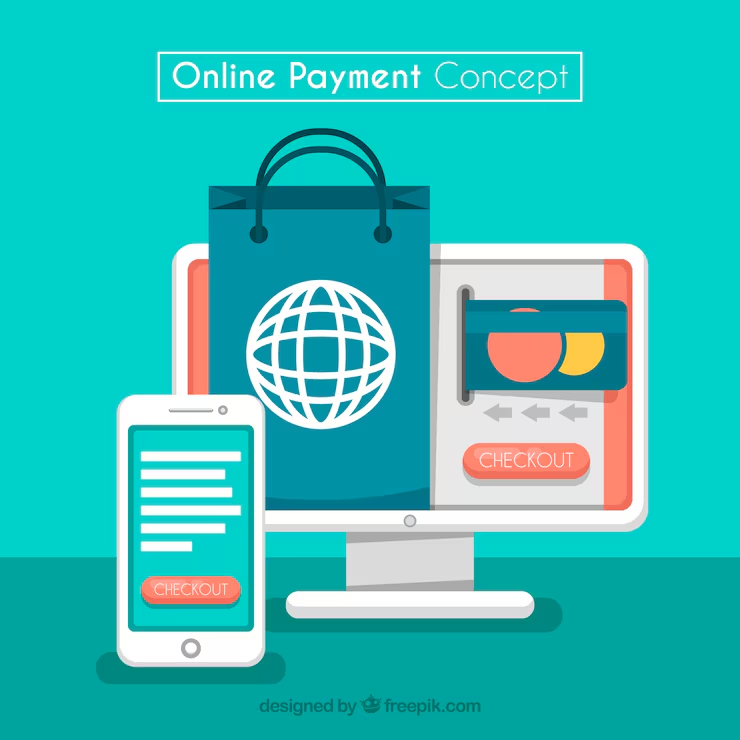
Beyond first impressions, a good website also helps with things like collecting leads, processing online payments, and answering common customer questions without extra staff time.
Web Development vs Web Design: What’s the Difference

These two terms are often used together, but they mean different things.
Web design focuses on how a website looks and feels, including colors, layout, images, and overall user experience. Web development focuses on how the website actually works, including coding, functionality, and technical performance.
Think of design as the appearance of a house and development as the wiring, plumbing, and structure that make it function properly. Both are necessary, and a good website needs strong design and solid development working together.
Types of Websites for Business Owners
Not every business needs the same kind of website. Understanding the main types can help you decide what fits your goals.
A business website acts as an online introduction, sharing information like services, location, and contact details.
An e-commerce website allows customers to browse and purchase products directly online, often built on platforms designed for online stores.
A portfolio website showcases work samples, commonly used by creative professionals, agencies, or service providers.
A landing page is a focused, single page website often used for marketing campaigns or specific product launches.
If you are running an online store, working with a team experienced in Shopify web design can help you launch a store that is built specifically for selling products efficiently.
Key Features Every Business Website Needs
Regardless of industry, certain features help any business website perform better.
Mobile responsiveness ensures your site looks and works well on phones and tablets, since most visitors now browse on mobile devices. Fast loading speed keeps visitors from leaving before the page even finishes loading.
Clear navigation helps people find what they need quickly, without confusion. A simple contact page or form makes it easy for potential customers to reach you.
Search engine visibility, often called SEO, helps your website show up when people search for related products or services. Without this, even a beautiful website may stay invisible to potential customers.
Choosing the Right Platform for Your Website
There are several ways to build a website, and the right choice depends on your business needs and budget.
WordPress is a flexible platform suitable for most business websites, blogs, and content heavy sites. Shopify is built specifically for online stores and simplifies product management, payments, and shipping. Custom development, using code written specifically for your business, offers the most flexibility but usually requires a larger budget and more time.
For most small to medium businesses, choosing a platform that balances ease of use with growth potential is usually the smarter long term choice.
The Web Development Process Explained
Understanding the basic process can help you know what to expect when building a website.
The process usually starts with planning, where goals, target audience, and required features are defined. Next comes design, where the visual layout and user experience are created, often through wireframes or mockups.
Development follows, where the actual coding and functionality are built based on the approved design. Testing comes next, checking the site across different devices and browsers to catch any issues before launch.
Finally, the website goes live, followed by ongoing monitoring to fix any problems and track performance. A reliable website development partner can guide you through each of these stages smoothly.
How Much Does Web Development Cost
Website costs vary widely depending on complexity, features, and whether you choose a template based or custom built solution. A simple business website with a few pages generally costs less than an e-commerce site with product catalogs, payment processing, and inventory management.
Ongoing costs also matter. Hosting, domain renewal, security updates, and maintenance should all be factored into your long term budget, not just the initial build cost.
Rather than choosing the cheapest option available, it often makes more sense to invest in a website that supports your business goals and can grow as your company expands.
Common Mistakes Business Owners Make
Many business owners run into avoidable problems when building or managing a website.
Skipping mobile optimization is a common mistake, especially since most traffic now comes from phones. Ignoring page speed often leads to high bounce rates, where visitors leave before the site even loads.
Some businesses also launch a website and then forget about it, missing regular updates, security patches, and content refreshes. Outdated information, like old contact details or discontinued services, can also hurt customer trust.
Another frequent issue is unclear calls to action. If visitors do not know what step to take next, whether that is calling, buying, or filling out a form, they often leave without taking any action at all.
Maintaining Your Website After Launch
A website is not a one time project. Regular maintenance keeps it secure, functional, and aligned with your current business offerings.
This includes updating software and plugins, monitoring page speed, checking for broken links, and refreshing outdated content. Security updates are especially important, since outdated websites can become vulnerable to hacking attempts.
Reviewing site analytics regularly also helps you understand how visitors interact with your website, so you can make informed improvements over time. For more on maintaining website security, Google’s Search Central offers reliable, up to date guidance.
Final Thoughts
Building a website does not need to feel overwhelming once you understand the basic pieces involved. Focus on clear goals, choose the right platform, and prioritize features like speed, mobile friendliness, and easy navigation. Treat your website as an ongoing part of your business, not a one time task.
If you are ready to build or improve your business website, the website development team at Mark X Media can help guide the process from planning to launch. You can also get in touch to discuss your project.