
Digital marketing never stands still. Every year brings a new tool, a new platform update, or a new way that people search for information. If you run a business, keeping up with these changes can feel like a full time job on its own.
This guide breaks down five Future of digital marketing predictions for 2027 and beyond. Each one is explained in plain language, with real reasons why it matters and simple steps you can take today. Whether you manage marketing for a small shop or a growing brand, these trends will shape how you reach customers next year.
Why Digital Marketing Keeps Changing So Fast
Three things drive most changes in digital marketing: new technology, changing customer habits, and stricter data rules. Right now, all three are moving at the same time.
Artificial intelligence is changing how people search for answers. Customers expect faster, more personal experiences. Governments are passing stronger privacy laws. Together, these forces are reshaping digital marketing from the ground up, not just adding small updates to old strategies.
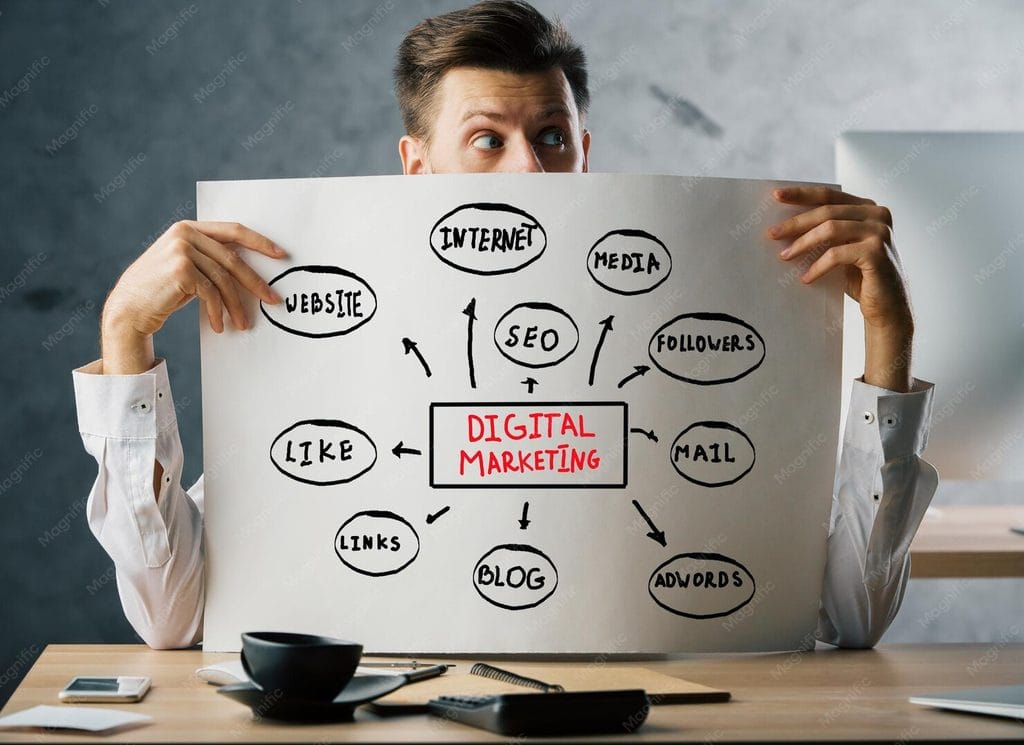
Prediction 1: AI Search Will Change How People Find Your Business
Search engines are no longer just a list of blue links. Google now shows AI generated summaries at the top of many search results. Tools like ChatGPT and Claude also answer questions directly, without sending users to a website at all.
Gartner, a well known research firm, has tracked this shift closely and expects traditional search engine traffic to keep declining as more people turn to AI chatbots and virtual assistants for quick answers, according to a Gartner press release on search engine trends. This does not mean search is dying. It means search is changing shape.
What this means for you: Businesses that only chase old style keyword rankings may see less traffic over time. Businesses that build clear, well structured, and genuinely helpful content have a better chance of being picked up and quoted by AI tools.
What you can do: Focus on answering real customer questions clearly on your website. Use simple headings, short paragraphs, and honest information instead of stuffing pages with keywords. Working with a team that understands both classic and AI driven SEO optimization can help your business stay visible no matter how search results change.
Prediction 2: Trust and Real Expertise Will Beat Generic AI Content
Since AI writing tools became widely available, the internet has filled up with generic, similar sounding content. Readers are getting tired of it, and search engines are getting better at spotting it.
Google’s own guidance continues to reward content that shows real experience, expertise, authority, and trust, often called E E A T. Content written by people who genuinely understand a topic, backed by real examples and honest opinions, tends to perform better than content that simply repeats common facts.
What this means for you: Businesses that publish shallow, AI generated blog posts with no real insight will likely lose ground. Businesses that share genuine expertise, case studies, and clear explanations will stand out more, not less, in a crowded market.
What you can do: Use AI tools to speed up research and first drafts, but always add real examples, data from your own business, and a human voice before publishing. A skilled content writing team can blend AI efficiency with the kind of expert, trustworthy tone that both readers and search engines value.
Prediction 3: Short Videos and Social Shopping Will Keep Growing
Short videos are not a passing trend. Platforms like TikTok, Instagram Reels, and YouTube Shorts continue to dominate how younger and even older audiences discover new products. Alongside this, live shopping and in app checkout features are turning social media into a direct sales channel, not just a place for brand awareness.
Global e commerce data continues to show a steady shift toward mobile and social driven shopping, with smartphones now accounting for the majority of retail website visits worldwide, based on figures reported by Statista. Customers are not just watching videos, they are buying from them.
What this means for you: Brands that treat social media as a one way announcement channel will fall behind. Brands that create short, honest, entertaining content and make it easy to shop directly from social platforms will capture more attention and more sales.
What you can do: Plan a steady stream of short video content instead of occasional posts. Show real people, real products, and real results. A focused social media marketing strategy can help you build this consistency without burning out your internal team.
Prediction 4: Privacy Rules Will Push Brands to Own Their Data
Third party cookies, the small files that once let advertisers track users across the web, are steadily disappearing. At the same time, new privacy laws around the world are giving customers more control over their personal information.
This shift makes first party data, meaning the information customers give you directly, more valuable than ever. Email addresses, phone numbers, and purchase history that customers willingly share with your business will become one of your most important marketing assets.
What this means for you: Businesses that relied heavily on third party ad tracking will need new ways to reach the right audience. Businesses that build direct relationships with their customers, through email lists, loyalty programs, and clear opt ins, will have a real advantage.
What you can do: Start collecting customer information the right way, with clear permission and real value in return, like discounts or useful updates. A well planned email marketing program turns this first party data into steady, low cost revenue that does not depend on any single ad platform.
Prediction 5: Marketing Success Will Be Measured by Real Business Results
For years, many marketing reports focused on numbers like likes, followers, and impressions. These are easy to measure but do not always connect to actual sales or profit.
According to HubSpot’s 2026 State of Marketing report, marketers are under growing pressure to prove real return on investment, not just surface level engagement. Leadership teams want to know how marketing spending connects to revenue, not just attention.
What this means for you: Vanity metrics alone will no longer justify a marketing budget. Clear reporting that ties campaigns to leads, sales, and customer value will matter far more.
What you can do: Set specific goals for every campaign, such as number of leads, cost per sale, or repeat purchase rate. Make sure your website and ad campaigns are built to track these outcomes properly. Strong website development with proper tracking in place is the foundation that makes accurate reporting possible.
How Small and Growing Businesses Can Prepare
You do not need a massive budget to prepare for these changes. Start with a few practical steps.
First, audit your current content and remove anything that feels generic or outdated. Second, build one or two first party data channels, such as an email list or loyalty program. Third, commit to a regular short video schedule instead of occasional posts. Fourth, review your reporting so every campaign connects to a clear business outcome.
These changes take time, but even small, consistent improvements will put your business ahead of competitors who wait until the shift is unavoidable.
Final Thoughts
The future of digital marketing is not about chasing every new tool that appears. It is about building real trust with your audience, protecting customer relationships through first party data, and proving that your marketing efforts lead to real business growth.
AI search, short video, and stricter privacy rules will keep reshaping the landscape well beyond 2027. Businesses that adapt early, with honest content, smart data practices, and clear reporting, will be the ones still growing when the next big shift arrives.
If you want help turning these predictions into a practical plan for your business, get in touch with our team for a free strategy conversation.
What is the future of digital marketing?
The future of digital marketing centers on AI powered search, trustworthy content, short video, first party data, and clear proof of return on investment. Businesses that adapt to these five shifts will stay visible and competitive as customer habits and technology keep changing.
Will AI replace SEO?
No. AI is changing how search works, not ending it. People still search for information, but many now get answers directly from AI tools like Google AI Overviews, ChatGPT, or Claude. SEO is shifting toward creating clear, well structured, and genuinely helpful content that these AI tools can find and trust.
Why is first party data important for marketing in 2027?
First party data, such as email addresses and purchase history that customers share directly with your business, is becoming more valuable as third party cookies disappear and privacy laws grow stricter. It lets you reach the right audience without depending on outside ad platforms.
How can a small business start preparing for these digital marketing trends?
Start small. Clean up outdated content, build one first party data channel like an email list, plan a regular short video schedule, and make sure every campaign is tracked back to a real business result like leads or sales.
Do I need a big budget to keep up with digital marketing predictions for 2027?
Not necessarily. Many of these changes are about strategy and consistency rather than spending more money. Focusing on genuine expertise, clear reporting, and direct customer relationships often costs less than constantly chasing paid ad trends.