
Product Page SEO for Pakistani Fashion and Clothing Brands. Product page SEO for Pakistani fashion brands means making each suit, kurta, or dress page easy for Google to understand and easy for shoppers to buy from. Many brands spend money on photoshoots and ads, then leave product pages with thin text, copied supplier descriptions, and missing details. The result is simple. A shopper searches “unstitched lawn 3 piece” and finds a competitor instead.
This guide shows you how to fix that. You will learn how to research product keywords, write titles and descriptions, handle images, add schema, manage sizes and colors, and build trust. The examples use Pakistani clothing terms such as lawn, khaddar, dupatta, and unstitched. If you want help applying this to your store, see our ecommerce SEO services.
Why Product Page SEO Matters for Pakistani Fashion Brands
Shoppers rarely search for your brand name alone. Many search for a product type, a fabric, or an occasion, such as “khaddar suit for winter,” “chiffon dupatta,” or “ready to wear kurta for women.” Category pages catch broad searches. Product pages catch buyers who already know what they want.
Fashion also moves fast. Seasons change, collections drop, and sizes sell out. Your product pages need to keep up, or they lose traffic when the season ends.
Start With the Keywords Shoppers Really Use
Build your keyword list from five angles:
- Product type: kurta, shalwar kameez, abaya, kids wear, formal dress
- Fabric: lawn, cotton, khaddar, linen, chiffon
- Piece count: unstitched, stitched, ready to wear, 2 piece, 3 piece
- Occasion and season: Eid, wedding, party wear, summer, winter
- Buying words: price, online, sale, cash on delivery, city names
A guide to women’s unstitched suits in Pakistan shows how buyers use these words. Unstitched means fabric that has not been sewn yet. A 3 piece set usually has a shirt, trouser, and dupatta. Lawn is a light summer fabric, and khaddar is heavier for cooler weather. Use the same words your customers use.
Roman Urdu matters too. Shoppers type phrases like “lawn suit ki qeemat” or “sasta lawn suit.” Spelling changes from person to person, so check Google autosuggest, Google Search Console, and the messages customers send you on Instagram and WhatsApp. Then give each product page one main keyword and a few close variations.
Write Product Titles That Match Search
A good title tells Google and shoppers what the product is in a few words. Use this pattern: product type and key attribute, then category, then brand. For example: “Printed Unstitched Lawn 3 Piece Suit for Women | Your Brand.”
- Put the most important words first
- Name the fabric and piece count when they matter
- Keep each title unique, even across colors
- Avoid stuffing, all capital letters, and repeated words
Your page heading should read naturally for shoppers, while the title tag can add the category words that people search.
Write Descriptions That Sell and Rank
Do not copy the factory or supplier text. Other stores use it too, so it gives Google no reason to prefer your page. One fashion product page teardown from Stryde suggests 300 or more words of unique copy for important products. Treat that as a guide, not a rule. Cover these parts:
- A short opening that places the product in context, such as a summer lawn for daily wear
- What is included, such as shirt, trouser, and dupatta, and the fabric of each piece
- Design and fit details, such as print, embroidery, length, and cut
- Styling ideas for work, events, or Eid
- Care instructions, such as wash type and ironing tips
- Delivery time, cash on delivery, and exchange details
Use short paragraphs and bullet points so a shopper on a phone can scan the page. Add one short Roman Urdu line only if it reads naturally. If your team lacks time, our on page SEO team can help write and tune product copy.
Optimize Product Images
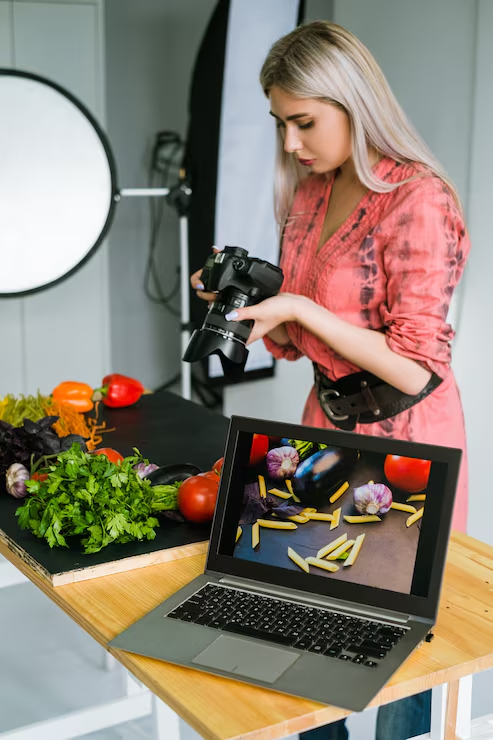
Photos sell clothing, and they also bring search traffic. Google’s image guidance says alt text is the most important image detail. Write alt text that describes the image, and do not stuff keywords. It also asks for short, descriptive file names, sharp images, and file sizes that load fast. Google supports formats such as WebP and AVIF, and it suggests an image sitemap to help it find images.
For fashion, show more than one view:
- Front, back, and side views on a model
- A close up of the print, embroidery, or fabric texture
- The dupatta and trouser, shown clearly
- A flat lay of everything included in the set
- The model’s height and the size worn
A good alt text example is: “Model wearing green printed unstitched lawn 3 piece suit with chiffon dupatta.” Keep your styling and color consistent across the store. Our creative design team can help with visuals that look sharp and stay light on page weight.
Add Product Schema Markup
Schema is code that helps Google read price, availability, and product details. Google’s merchant listing guide says product markup needs a name, an image, and an offer with a price above zero and a currency code. For Pakistan, that code is PKR.
For clothing, Google also recommends details such as:
- Size and color
- Material, such as cotton or lawn
- Audience, meaning gender and age group
- Availability and item condition
- Brand and SKU
- Shipping and return policy
Google suggests placing store wide shipping and return policies under your Organization markup, and using product level policies only to override them. If an item is on sale, mark the sale price as the active price and the higher price as the original price. Also remove old dates, because Google says a past price valid date may stop the listing from showing. Google may check your data, so keep your markup in line with the price and stock shoppers see. Our technical SEO team can audit your schema.
Handle Sizes, Colors, and Variants
Variants cause many duplicate content problems. Google’s ecommerce URL guidance says each variant should have its own identifiable URL. If you use optional parameters for variants, the canonical URL should be the version without the parameter. It also says Google does not use fragment identifiers, such as a color after a hash symbol, in indexing.
Here is how to apply that to a clothing store:
- Give a different print or design its own page, because shoppers search for it by name
- Use one page with a size selector for sizes of the same product
- Show sold out sizes as unavailable instead of hiding them
- Group true variants in your product data, so Google can connect them
- Check how your platform builds variant URLs, especially on Shopify, since themes differ
Our Shopify web design team can set this up cleanly.
URLs, Breadcrumbs, and Internal Links
Google recommends descriptive words in URLs instead of numeric IDs. A short, readable URL that includes the product name is better than a string of numbers. Add breadcrumbs that follow your store structure, such as Home, Women, Unstitched, Lawn.
Link each product page to related pages. One fashion teardown suggests three to five contextual links. Good options include the parent collection, other colors of the same print, a matching dupatta, and a buying guide. Use real links with clear text, because Google says it prefers standard links over JavaScript only navigation.
Build Trust With Reviews, Size Guides, and Policies
Buyers worry about fit, color, and quality, especially when they cannot touch the fabric. Answer those worries on the page.
- Reviews: ask real buyers after delivery, and invite photo reviews. One guide suggests aiming for at least 10 per product. Never fake reviews.
- Size guide: show a chart in centimeters and inches, plus the model’s height and size.
- Fabric notes: say whether a fabric is thin and needs lining.
- Policies: show delivery times, cash on delivery, and exchange rules near the buy button.
Keep Pages Fast on Mobile
Many shoppers browse on phones, and image heavy pages load slowly. Google’s Core Web Vitals targets are Largest Contentful Paint of 2.5 seconds or less, Interaction to Next Paint of 200 milliseconds or less, and Cumulative Layout Shift of 0.1 or less. Compress images, load lower images only when needed, and set image sizes so the page does not jump while loading.
Plan for Seasons and Out of Stock Products
Fashion sells in drops, so plan your page lifecycle. Keep a product page live after it sells out, and say when it may return. For products you will never restock, redirect the old page to the closest collection or a similar item. Google also suggests noindex or a 404 for empty categories. For evergreen basics, such as plain kurtas, keep the same URL each season and update the content, instead of making new pages every year.
Product Page SEO Checklist
- One main keyword chosen for the page
- A unique, clear title tag and heading
- A unique description with fabric, pieces, fit, and care
- Several sharp images with real alt text
- Product schema with PKR price, availability, size, and color
- Clean URLs and correct variant handling
- Links to the collection and related products
- Reviews, size guide, and delivery details on the page
- Mobile speed within Core Web Vitals targets
Common Mistakes to Avoid
- Copying supplier descriptions
- Using one vague title, like “New Arrival,” across many products
- Hiding size and fabric details in images only
- Creating duplicate pages for every size
- Deleting old product pages without a redirect
Frequently Asked Questions
What should I do with out of stock products?
Keep the page live if the product may return, and tell shoppers what to expect. If it is gone for good, redirect to the closest collection or a similar product.
How many images should each product have?
Use enough to show the product fully. Front, back, a fabric close up, and the full set are a good base. Quality, speed, and clear alt text matter more than a large number.
Should I use Roman Urdu on product pages?
Yes, in small, natural amounts. Use it in a short line, an FAQ, or a review section. Keep the title and main heading in clear English, and check real search data for spellings.
Do I need schema markup on product pages?
It is strongly recommended. Schema helps Google read your price, stock, and product details, and it can make your listings eligible for richer search results. Include a PKR price and keep it accurate.
Should each color have its own product page?
Give a separate page when the print, photos, or demand differ a lot, since shoppers search by design. Use one page with a selector for simple options like size. Make sure canonical tags point to the right version.
How long should a fashion product description be?
There is no fixed length. Write enough to answer buyer questions on fabric, fit, pieces, and care. One SEO teardown suggests 300 or more words for important products, but quality matters more than count.
Final Thoughts
Strong product page SEO for Pakistani fashion brands comes from simple habits: use the words shoppers search, write unique descriptions, show clear photos, add accurate schema, and keep variants tidy. Fix your best selling pages first, then roll out the same pattern across the store.
If you want expert help, Mark X Media supports clothing brands through digital marketing services in Pakistan. Contact our team for a free proposal.